
Photography

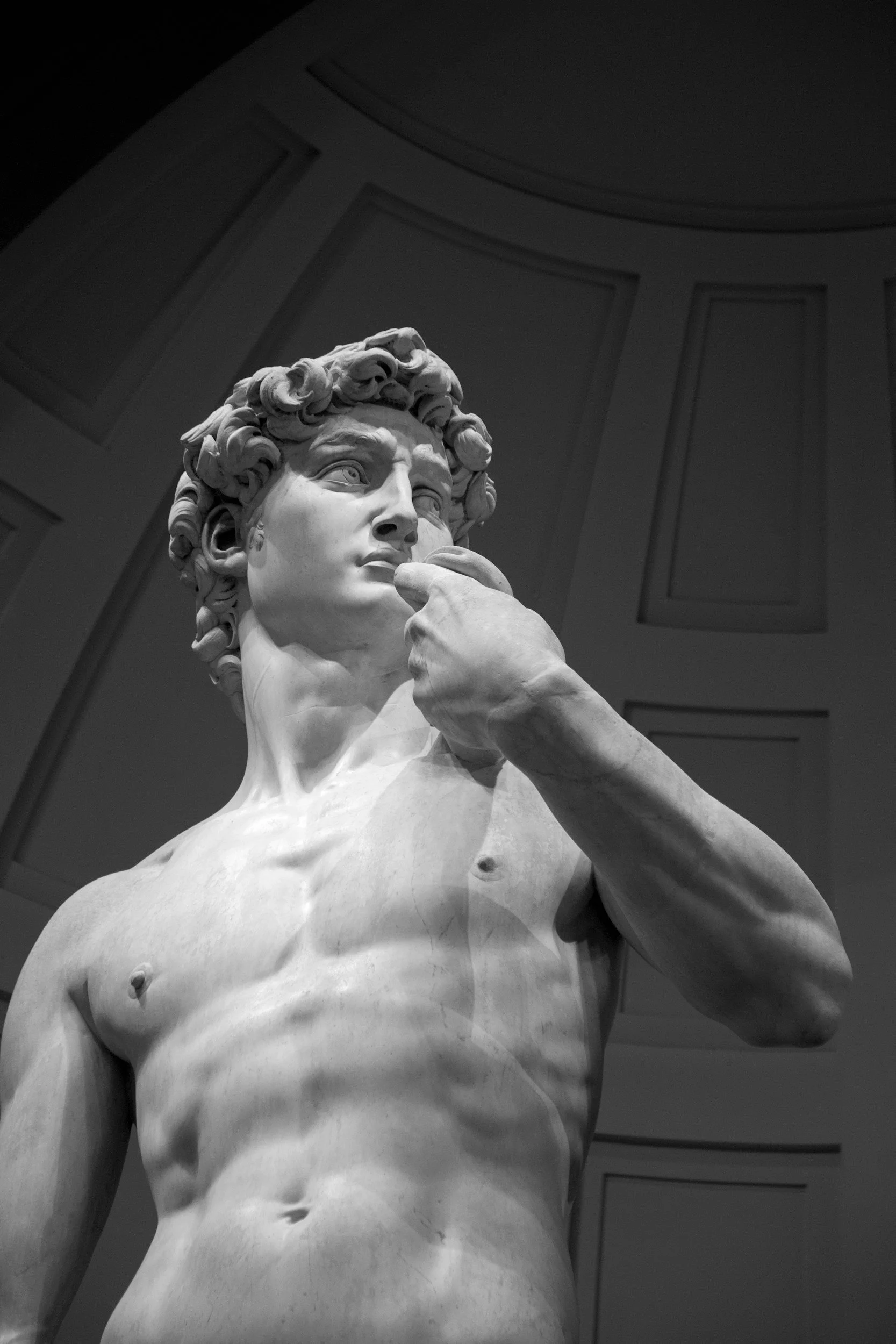
The Inherent Ambiguity of Beauty in Art
Beauty in art resists a single definition. A painting’s smear of color, a sculpture’s rough edge, a song’s dissonant chord—each can be read in multiple ways depending on who looks, when they look, and what they bring with them. Ambiguity is not a flaw to be corrected; it is the engine of meaning. It invites the viewer to supply context, to feel conflicted, to linger.
Ambiguity allows art to be both intimate and universal. A photograph of a weathered face can read as sorrow, resilience, wisdom—or some mixture of all three—because the image leaves space for projection. The work becomes a mirror in which we see ourselves as much as the subject. In that space between portrayal and interpretation, beauty emerges not from clarity but from the act of interpretation itself.
This indeterminacy also preserves art’s vitality. If every line and gesture were fully prescribed, the work would be exhausted at first glance. When outcomes remain uncertain, the piece continues to yield new meanings over time. A painting viewed at twenty and at sixty can feel like two different works, each true and each beautiful.
Ambiguity cultivates empathy. Confronted with an unresolved image, we train ourselves to tolerate uncertainty and consider multiple perspectives. The mind that interprets ambiguous art practices holding competing possibilities, a habit that translates to human relationships and moral judgment.
Finally, ambiguity is an aesthetic strategy. Artists use it deliberately—through metaphor, fragmentation, juxtaposition, and silence—to resist easy answers and provoke reflection. The beauty here is not only in form or technique but in the tension between suggestion and absence. It is a beauty that asks questions rather than delivering verdicts, and that openness is what keeps art alive.